The initial Red Line bus rapid transit line may still be in the talking stages, but IndyGo has paid out close to $1.3 million already in consultant fees related to the project. IndyGo delivered to Advance Indiana in response to a public records request three professional services agreements it has entered into to date. Those included contracts with CDM Smith, Energy Systems Network and Caldwell Van Riper, which will total well in excess of $3.3 million when fully-satisfied.
The contract with CDM Smith has been by far the most costly to date. IndyGo has paid the global engineering firm based in Boston, Massachusetts nearly $1.1 million of its potential $3 million contract. The local contact on the project is Michelle Gottschalk, a long-time INDOT engineer who faced no bar from post-employment work with a firm that does millions of dollars in business with her former employer. According to her Linkedin page, Gottschalk is responsible for "developing and maintaining relationships with the state and municipal clients in the INDOT and municipal public works markets." Gottschalk went to work after new reports raised concerns about the firm hiring away INDOT's deputy commissioner, Sam Sarvis, who claimed he had done no work with CDM Smith during his time at INDOT.
Contract documents provided by IndyGo indicate several minority firms were assisting CDM Smith on the contract. The largest minority subcontract is with VS Engineering for $300,000 to aid in traffic signal designs, roadway design and survey work. The Indianapolis-based firm is owned by Sanjay Patel, who has contributed close to $100,000 in campaign contributions to various candidates and party committees over the years for his pro rata share of minority contracts. A $214,000 minority subcontract for communication design was awarded to Clifton, Weiss & Associates of Gwynedd Valley, Pennsylvania. There was also a $30,000 subcontract awarded to Hammond-based K&S Engineers for geotechnical services.
An estimated $300,000 professional services contract was awarded to a local PR firm, Caldwell Van Riper, which has already been paid $146,000 for its services. CVR agreed to subcontract $60,000 of the project work to a black-owned business with ties to the local Democratic Party, Engaging Solutions.
A third and final contract was entered into with Energy Systems Network, a nonprofit organization run by former Mitch Daniels crony, Paul Mitchell. ESN has been paid $22,500 to date. Interestingly, Mitchell listed as ESN's references Herve Muller of the Bollore Group and Michael Brylawski of Vision Fleet. These were two corrupt, illegal contracts entered into by the Ballard administration with ESN's hands all over it. In any other state in America, there would have been criminal indictments handed down long ago for such flaunting of public bidding laws as occurred with the Bollore's Blue Indy exclusive electric car sharing deal and Vision Fleet's electric car fleet lease with the City of Indianapolis. But this is Indianapolis where a select group of insiders are granted immunity from prosecution when they collude with corrupt politicians to defraud taxpayers.
Showing posts with label Bus Rapid Transit. Show all posts
Showing posts with label Bus Rapid Transit. Show all posts
Tuesday, April 19, 2016


Monday, April 18, 2016
More Bus Rapid Transit Lies
Reviewing the presentation by IndyGo at last week's meeting of the Municipal Corporations Committee, I see that the public was once again treated to lie after lie after lie. Naturally, the Indianapolis news media is doing nothing to report the truth to the public because it's in bed with the consultants, contractors, lobbyists and other special interest groups that plan to profit off this billion dollar plus investment. And yes, it is a billion dollar plus investment regardless of what these professional liars are telling the public.
Councilor Christine Scales, the only council member present who asked any tough questions of the IndyGo officials, confronted them with their past studies that showed other preferred corridors of development for faster, more efficient routes of public transportation. The IndyGo folks first denied other routes were planned until Scales held up the past reports she had received from them. They shifted in their seats and danced around the issue as much as they could before finally admitting those were just early iterations without as much study behind them. Those studies, incidentally, were prepared at a cost of millions of dollars to taxpayers. The highest priority line at that time would have followed I-69 from Noblesville to downtown. That line isn't even on the 5-year plan now. Why? Because IndyGo says it's pointless to do it without Hamilton County's cooperation, and officials there have no plans to enact a tax increase until years down the road after Indianapolis taxpayers have paid the freight for implementing several lines that could eventually connect with the suburban areas.
IndyGo officials couldn't deny their federal grant application for the first phase of the Red Line projected a fare box return of just 17% despite a requirement in the state law that a tax increase approved for the purpose of building BRT had to include a fare box return of at least 25%. IndyGo claims its current fixed routes generate about 20% return at the fare box, but it's para-transit and other transportation services with less ridership drives the return rate down. They said they expect much higher return rates once BRT is implemented, but they wanted to be very conservative in their estimates. When asked if fares would be raised to make up the difference when ridership of the BRT lines fail to generate a 25% return, IndyGo officials said no; rather, other adjustments in the operating system would be made. What that means is that other non-BRT, fixed routes will be eliminated to meet the 25% requirement, which means less bus coverage city-wide for the vanity of having brand spanking new BRT lines.
IndyGo officials told another big fat lie when they claimed their $7 million per mile estimate for Red Line costs was in line with other comparable cities. They falsely claimed Cleveland, which built its BRT line for more than double the cost nearly a decade ago, was a false comparison because of the complimentary infrastructure improvements that were required for it. That's one of my points. They are not counting in their estimates tens of millions of dollars in expenses that will show up in DPW's budget. A 16-year old federal study found that the average cost of BRTs constructed up to that time had come in at $13.5 million per mile. Yet IndyGo thinks it can get the job done for half the cost nearly two decades later. The IndyGo officials also claimed that BRT was relatively new at the time Cleveland implemented its line. BRTs have been around since the 1970s. Pittsburgh built the first known BRT in the U.S. in 1977. Apparently, it never occurred to any members of this council committee to ask IndyGo officials why IndyGo told them just last August the Red Line would cost $60 million, only to return a few months later with a budget estimate of $96 million.
Have you wondered why business owners along College Avenue haven't been more vocal in their opposition to the Red Line like we've seen happening in other cities around the country where BRT lines were proposed? We got our answer to that question at last week's committee meeting. They've been bribed. That's right. Grants have been promised to every business owner along College Avenue which is adversely affected during the construction phase of the Red Line. When have you ever seen this done? Were grants awarded to businesses that struggled during the I-31 construction in Hamilton County? Were grants awarded to businesses adversely affected by the drawn out construction of the Cultural Trail. Absolutely not. Low or no-interest loans are the most adversely affected business owners ever receive under such circumstances. Not here in Indianapolis.
None of this should come as a surprise. Do you know what phony non-profit has been awarded a contract by IndyGo to help develop the BRT's plan to use electric buses? That would be the same phony non-profit behind Vision Fleet, Blue Indy and other public thefts that took place under the Ballard administration. Paul Mitchell's Energy Systems Network, which is located on the same floor of the Chase Tower with all of those inter-connected racketeering non-profit organizations that collude with the Greater Indianapolis Chamber of Commerce to screw Indianapolis taxpayers any which they can. The Chamber's lobbyist, Mark Fisher, has been allowed to serve as a member of IndyGo's board by our City-County Council. Do you know of any other city in America where the chamber of commerce supports every tax increase imaginable because it has a handful of members who have figured out how to pay off our crooked politicians to steer all of the spoils of any new spending to a handful of their chosen members? Remember all of the huffing and puffing our City-County Council did over the Vision Fleet, Blue Indy and other illegal corrupt deals entered into by the Ballard administration the Chamber was behind? Yeah, it was all phony bluster. They don't give a damn how much these crooks rob the public blind.
On the tax increase itself, committee members finally figured out that the quarter percent increase isn't a take-it or leave-it proposition. Council members have authority to lower the proposed tax rate that will appear on this November's ballot. IndyGo knows its cost estimates are way off from outset so it naturally wants the maximum tax rate of a quarter percent, which will generate about $56 million a year, more than doubling the taxes that Indianapolis residents currently pay to support IndyGo. IndyGo says it will not move forward with the construction of BRTs if the referendum is voted down, but they've already been assured by the PTB that if it goes on the ballot, the electronic voting equipment that will count the referendum ballots implemented by agreement of the corrupt leaders of the two major political parties, ensures the referendum question will receive the requisite number of votes. How would the public ever know if an algorithm is placed in the voting software to rig the outcome of the referendum? And the public will hear throughout the months leading up to the election nothing but propaganda in favor of the referendum funded with your taxpayer dollars, and the management of the Indianapolis Star, IBJ, Fox 59, WTHR, WRTV and WISH-TV have all agreed to propagandize voters non-stop in exchange for the paid advertisement the proponents have already committed to spend at each of their business organizations promoting its passage.
Tuesday, April 12, 2016
Estimated Costs Of First Phase Of Red Line Already Up 60%!
Advance Indiana took a look back at the August 2015 budget presentation IndyGo made to the Indianapolis City-County Council for its 2016 budget. Imagine our surprise when we saw the original amount IndyGo's leadership told council members the first phase of the Red Line from Broad Ripple to the University of Indianapolis would cost to construct. How about $60 million? Yep, that's what IndyGo planned to spend building that 13.4 mile stretch of the 35-mile planned bus rapid transit line.
At that time, IndyGo said it anticipated receiving a $48 million grant from the Federal Transit Administration. It planned to match that with $12 million in local match money, which included tapping Gov. Mike Pence's Regional Cities grant money. Of course, IndyGo got passed over for the state grant money. By the start of this fiscal year, IndyGo announced it had been awarded a $75 million grant to put towards the $96 million projected cost of that same leg of the Red Line it earlier projected would cost just $60 million, or a cost difference of about 60%.
So IndyGo just 8 months ago was telling City-County Council members it could build the first phase of the Red Line for about $4.5 million per mile. It also told council members it would only cost about $6 million annually in additional operating costs once the first phase of the Red Line becomes operational in 2018. The construction cost has now jumped to more than $7 million per mile. Experts say bus rapid transit lines on average range in cost from $15 to $25 million per mile.
IndyGo says it plans to build the Red Line regardless of whether a proposed quarter percent income tax increase is approved by Indianapolis voters this November. It claims the income tax revenues are not needed to finance the capital costs for building all of the planned BRT lines, which would include a total of three over the next five years. That income tax increase would generate $56 million in new revenues annually, more than double what IndyGo currently collects from its local property tax levy, which includes a maximum $16 million special levy, up from $10 million last year. IndyGo now says its total operating budget will grow from $70 million a year to $108 million a year once with the additional costs of operating a BRT. Suffice it to say, IndyGo isn't very good at estimating costs.
When IndyGo first announced plans to build its new downtown transit center on Washington Street across the street from the City-County Building, which is aptly being named in honor of the late U.S. Rep. Julia Carson, a career politician who mastered the craft of pilfering public tax dollars, it estimated total construction costs at $20 million. Costs for the new transit center have already ballooned nearly 33% to $26.5 million. That difference has to be made up with local dollars since the federal grant only covered $13.5 million of the costs. The transit center was originally supposed to open this year, but little progress seems to be taking place at the site. When it comes online, IndyGo estimates it will cost another $700,000 in its budget annually to operate. Bus line changes to accommodate the new transit center are expected to add $1.3 million in annual operating costs. IndyGo riders, incidentally, only chip in a little more than $11 million in fares to cover IndyGo's annual operating budget, less than 17% of the annual cost to operate the bus system.
Sunday, April 10, 2016
Proposed Northern Virginia BRT Costs $23 Million Per Mile
 |
| Artist's rendering of Northern Virginia Route 7 BRT |
The Washington Post has a story on a proposed 11-mile BRT in Northern Virginia along Route 7. The BRT with dedicated bus lanes running from the Spring Hill Metro station in Tysons to the Mark Center in Alexandria is estimated to cost between $250 and $270 million to construct. That works out to a minimum cost of $23 million and as much as $25 million per mile. The BRT is expected to attract as many as 9,500 new riders per day and cost $18 million annually to operate. IndyGo estimates its annual operating budget will grow $38 million a year to operate up to 3 BRT lines it hopes to build over the next five years, which it says will be financed with a quarter percent increase in the local income tax rate it wants voters to approve at a referendum this November.
Incredibly, IndyGo claims it can construct the Red Line, Blue Line and Purple Line over the next five years for a cost of just $390 million. It says it will rely on federal grants to fund 60% of the capital construction costs, which it admits doesn't include large expenditures that will have to be made by DPW on complimentary infrastructure improvements to support those new BRT lines. None of the numbers touted by IndyGo add up, but neither Mayor Joe Hogsett nor the Indianapolis City-County Council leaders are willing to ask any tough questions of the proponents. The powers that be have decided they're going to get their BRT lines by hook or crook, and they don't give a damn how they're going to pay for it or how much it will cost.
What is clear is that the quarter percent income tax increase won't come close to covering the capital and operating costs of the new projects, and federal grants aren't going to get the project done. The goal seems to be to sink $96 million into the first phase of the Red Line, force through a tax increase to support it and worry later about where the money is going to come from to pay for the true costs of a multi-BRT system that is envisioned. This from the same administration that complains in today's Indianapolis Star that the city has a serious structural budget deficit problem of $50 million. The Indianapolis media is conspiring with the corrupt civic and business leaders behind this latest boondoggle to conceal the BRT's true costs from the public. We can no longer trust our elected officials or our media to speak honestly about anything that's happening in our community.
Gov. Mike Pence and state lawmakers share the blame for this latest fraud being perpetrated on Marion County taxpayers. They wrote a law that set forth certain requirements that had to be met before a local income tax could be levied to support a BRT. IndyGo officiails are already ignoring that law's requirement that fare box receipts make up at least 25% of the operating costs of the BRT. Nobody at the state level is supervising IndyGo's plans to ensure compliance with the state law's compliance, and Mayor Hogsett and City-County Council leaders don't care. They just know that their campaign contributors stand to make a lot of money off the project and that's all that concerns them.
As a side note, I thought readers would like to know who sits on the board of directors which overseas IndyGo. The board members are: Danny Crenshaw-Chairman (President & CEO Crenshaw Insurance); Alan Rowland-Vice Chair (CompTIA Academy, Bus. Dev. Mgr.); Juan Gonzalez (Sr. VP, Key Bank); Tommie Jones (Owner, Jones Property, LLC); Greg Hahn (lobbyist/attorney, Bose McKinney); Mark Fisher (lobbyist, Greater Indianapolis Chamber of Commerce); and Greg Bedan (lobbyist, Third House Group). How do you like the idea that you have three lobbyists on this single board?
These esteemed board members, at least the five present, spent zero time debating the approval of the plan to go forward with raising $56 million a year through a quarter percent increase in your local income tax rate to pay for the additional costs of operating three new BRT lines to be constructed over the next 5 years after hearing a brief 5-minute presentation. Board members were told there was virtually no opposition to the plan other than a couple of negative comments. Since the added operating costs are supposedly just $38 million annually, that leaves a cushion of $18 million a year for additional annual spending from this higher income tax increase. There will be no property tax relief for property owners already taxed to support IndyGo. IndyGo says 15% of the annual costs for the BRT will be used for debt service. About 60% will come from federal grant money and a quarter of the costs will come from local revenue sources.
Friday, April 08, 2016
Red Line Opponent Frustrated Over Attempts To Meet With Mayor Hogsett
 |
| Mayoral chief of staff, Thomas Cook (Twitter Photo) |
Residents who live near College Avenue on Indianapolis' north side formed a community organization, CollegeAvenueIndy.org, to gather information and share their concerns with their neighbors and elected officials about proposed, important changes that could dramatically impact the lives of those living in the area. Their latest concern is the plans to develop the Red Line bus rapid transit line on College Avenue from 66th Street south to 38th Street. One of the neighborhood leaders, Dr. Steve O'Neil, had a brief opportunity to speak to Mayor Joe Hogsett last February, and he was delighted when the mayor provided him the contact information for his executive assistant and offered to sit down and hear the concerns he and his neighbors have about the proposed Red Line. Two months later, Hogsett's office has still not scheduled a meeting, and the reaction to O'Neil's persistence in setting up a meeting by Mayor Hogsett's top aide could not have been more disturbing and disappointing.
When O'Neil briefly spoke to Mayor Hogsett in February, he handed him the business card of his executive assistant, Julie Marvel, to set up an appointment. O'Neil quickly e-mailed Marvel, who politely responded that the first available appointment would be in late March or early April due to the mayor's busy schedule. "I will get back in touch just as quickly as I can to coordinate a meeting time," Marvel said. "In the meantime, I have shared your email with Deputy Mayor Jeff Bennett who has been working with the various neighborhood groups on this project." Six weeks later, O'Neil had not been able to schedule a meeting with the mayor to discuss neighborhood concerns about the Red Line. In the meantime, the City-County Council has taken up deliberations on a proposed referendum for this November's ballot, allowing a quarter percent increase in the income tax, to pay for the bus rapid transit system. Having failed to get a prompt response to his e-mails, he called and left a voice mail message with Deputy Mayor Jeff Bennett, whom he and other neighborhood groups had already spoken on several occasions about their concerns with TWG's planned large apartment complex project at the site of the old AT&T office building, to express his disappointment with being unable to get a meeting with the mayor scheduled. That project was tabled by the developer in the face of neighborhood opposition.
O'Neil quickly got a return call back, not just the one he had anticipated. When he picked up the phone, the person on the other end of the line identified himself as the mayor's chief of staff, Thomas Cook. "At the beginning of the conversation he said that normally someone who calls as much as I have would be put on a watch list by the sheriff," O'Neil told Advance Indiana, quoting Cook. "[Cook] said [I am] not doing that because [you are] a physician." After expressing to him his disappointment about his tone for starting off the conversation, O'Neil explained to Cook that he was simply trying to get the meeting scheduled with the mayor that had been promised to him. "God love him, but he can't do all the meetings he promises," O'Neil said, quoting Cook. In reference to his earlier contacts with the mayor's office about the TWG development at the AT&T site, Cook said the mayor's office understood his and other neighborhood residents' concerns: "[You] don't want anything built there that [you] believe is uncouth." O'Neil, not surprisingly, took issue with Cook's "snarky and condescending" characterization of his and other neighbors' concerns. "I told him we just want development that is consistent with the neighborhood and we do not decide what is 'uncouth.'"
O'Neil then tried to shift the conversation back to the immediate concern--the Red Line. "I told him our position on the Red Line and the issues regarding the illegality of the referendum due to the requirement in SB 176 that 25% of the budget revenue needs to come from ridership but that in the FTA application IndyGo claims that will only be 17%," O'Neil said. When state lawmakers passed SB 176 allowing a referendum on an income tax increase to pay for bus rapid transit, the law required the operating system to recover 25% of its operating costs from the fair box. In its grant proposal to the FTA, IndyGo specifically said fare receipts would only cover 17% of the costs. "[Cook] told me that this is a City Council issue and referred me to legal counsel for the city. "I re-iterated that if IndyGo falls short of budget due to lack of projected ridership that this will rob dollars from public works and potentially lead to greater tax increases which could be a political problem for the mayor," O'Neil said. O'Neil expressed his great disappointment that his meeting with the mayor would not occur as he believe the mayor had promised him. Cook replied, "It may not be occurring due to [your] persistence."
O'Neil then said something that hit a real sore spot. "I said that if Browning called he would get a meeting. Why can't we?" O'Neil was of course referring to the politically-connected real estate developer, Michael Browning, who wrote Hogsett a check for $30,000 to underwrite the costs of his inaugural gala in January. "[Cook] was very defensive about that and said the mayor had turned down Browning meetings several times," O'Neil said. Before hanging up, Cook told O'Neil the mayor would be disappointed that he was dissatisfied with him. "I told him it is actually worse that I am disappointed as a voter," O'Neil told us.
Tuesday, April 05, 2016
Council Committee Members Utterly Fail To Ask Tough Questions About BRT
If the first meeting of the Metropolitan and Development Committee on the proposed permanent quarter percent income tax increase to fund bus rapid transit is any indication, you are going to be in for a year of nothing but disinformation by the proponents and a complete abandonment of any serious inquiry of the proposal before them by those we've elected to represent us on the Indianapolis City-County Council.
The one point that came through loud and clear that everyone must understand is that proposed income tax increase is a permanent income tax increase to support IndyGo, and the additional income tax revenues are needed both for the additional construction costs of up to three bus rapid transit lines planned for construction over a 5-year period and for the permanent ongoing operating costs of the expanded IndyGo. There will be no property tax relief from the nearly $50 million you already fork over annually in property taxes to support IndyGo.
What the income tax increase guarantees is an immediate 54% increase in the annual operating budget of IndyGo from $70 million to $108 million. Contrary to the state law which allows IndyGo to seek approval of voters to levy a quarter percent income tax for mass transit expansion, IndyGo will continue to rely on the fare box for just 17% of the costs required to operate the bus system. The law passed by the state legislature specifically required the fare box receipts cover 25% of the operating costs of the expanded transportation system. IndyGo's BRT plan to tap $75 million in FTA grant money for the project assumes a fare box return of just 17% of the system's operating costs.
Incredibly, IndyGo planners claim they can construct the Red Line in 2017, a Purple Line in 2019 and a Blue Line in 2020 for just $390 million. The costs for all three lines is much closer to $1 billion than it is to $390 million. IndyGo expects to rely on federal grant money for 60% of those costs. Clearly, the additional income tax increase is needed for both construction and operating costs. Yet officials told non-discerning members of the Metropolitan and Development Committee that no income tax revenues would be used to pay for construction costs. The numbers simply don't add up.
As Advance Indiana reported earlier this week, IndyGo is telling council members it can build BRT lines for a little more than $7 million a mile. That's less than 50% of the cost BRT lines have cost in other cities where the costs run anywhere in the range of $15 to $25 million per mile. Even if IndyGo plans to rely on just the fare box to recover just 17% of the cost of operating the BRTs, it's relying on extremely rosy projections that ridership of the city's bus lines will increase by at least 178% once BRTs are brought on line.
The $96 million initially being budgeted for the Red Line covers just a 13.6 mile stretch from 66th Street south to the University of Indianapolis. IndyGo plans to rely on the City's TIF fund to help make up the $21 million in additional dollars it will need to construct Phase 1 of the Red Line, which would prove to be the least costly BRT ever constructed in the United States if it can actually be built for that cost. IndyGo officials acknowledged there are other complimentary infrastructure costs that will have to be paid out of the Department of Public Works budget that are not included in the $96 million budget. Nobody presented any figures on what those added construction costs in DPW's budget will be.
You had to watch in disbelief as none of the council members who serve on this committee asked a single probing question of the presenters of this ambitious and costly public works project. It's quite obvious they're more concerned about padding the wallets of their campaign contributors who are lining up to cash in when the contracts for this boondoggle are let than what the long-term cost implications are to the taxpayers they pretend to represent, who will be left holding the bag when the bills come due. Unfortunately, only a handful of people bothered to show up to testify at the public hearing and those were mostly business and special interest lobbyists whose opinions are useless to thoughtful deliberations. When a concerned citizen would step to the microphone to raise valid questions, they were quickly cut off due to tight restrictions placed on speaking time.
These committee members have already made up their minds. Don't confuse them with the facts. Then people wonder how we wind up with financial debacles like Blue Indy, Vision Fleet and the Regional Operations Center. There's no point in having an elected council if the only role they see for themselves is being wined and dined by the business and special interest groups they rely upon to finance their campaigns and seeing how much they can fatten their wallets while pretending to represent their constituents.
Sunday, April 03, 2016
Why Does Indy's Red Line Cost Less Than Other BRTs?
IndyGO has approved plans to build the first phase of its Red Line, the first of several bus rapid transit systems planned for Central Indiana. It calls for spending $96 million on a 13.6 mile line to run along College Avenue as far north as 66th Street in Broad Ripple, moving south through downtown and then as far south as the University of Indianapolis campus. IndyGo plans to rely on a $75 million federal grant from the Federal Transit Administration to pay the bulk of the first phase construction costs. It plans to rely on its own reserves and TIF funds to make up the difference.
Based on information Advance Indiana has been able to gather from other BRT projects, planners estimate costs anywhere from $15 to $25 million per mile to construct a BRT with dedicated bus lanes and frequent bus stations built along the line that more closely resemble what riders of light rail systems experience. That's what IndyGo is planning for the first phase of the Red Line. Yet the estimated cost of construction is running only a little over $7 million a mile, far less than the projected costs for BRTs and well below what other cities have spent.
Indianapolis transportation planners like to point to the success of Cleveland's RTA Healthline. The Cleveland BRT is just 6.8 miles and connects the downtown to East Cleveland along the highly-trafficked Euclid Avenue. The Cleveland BRT began service in 2008 and cost $200 million to construct. While it runs half the length of Indianapolis' proposed Red Line, it has more than double the number of stations planned for the Red Line, 58 stations compared to 27 planned for the Red Line. Cleveland's BRT has about 14,000 daily riders. The Red Line is projected to have about 11,000 daily riders.
The Alameda-Contra Costra BRT just approved for the East Bay area in Oakland has a cost of $178 million for a 9.5 mile line with 27 bus stations, which works out to about $17.5 million per mile. Lansing, Michigan has plans for an 8.3 mile long BRT with 27 stations with an estimated cost of $133 million, which is over $16 million per mile. Albuquerque just approved a smaller bus rapid transit line to run along its busy Central Avenue that it projects will cost $119 million to build, or about $10 million per mile. It will have a similar number of bus stations along its planned route as the Red Line. Detroit wants to build a 27-mile BRT from its downtown all the way to Pontiac along Woodward Avenue. That's a shorter distance than what is planned for the full length of the Red Line, which would eventually go as far north as Westfield and as far south as Greenwood. The price tax for the Detroit BRT is from $405 million to $675 million, which is anywhere from $15 million to $25 million per mile.
The bottom line is that the Red Line's projected costs for Phase 1 are way below the actual and projected costs to construct BRTs in other cities. Why is this? The Red Line BRT model is based on the use of dedicated bus lanes with platform stations built in the street's median for easy boarding and unloading like the model used by other cities. This may explain why the proponents are trying to ram through the income tax increase vote by referendum during this year's general election. The proponents know they lack the funding to build the first phase of the Red Line. The quarter percent increase in the income tax is needed to fully fund phase one construction. All bets are off for the cost of the other BRTs planned, which you can bet will top out well north of a billion dollars in total costs. Without additional federal or state funding, Indianapolis taxpayers are going to be saddled with major future tax increases to support a BRT. Making matters worse is the lack of commitment from any of the suburban counties to enact similar tax increases any time in the near future to support an expanded BRT to reach into the suburban communities. Indianapolis taxpayers deserve honest information, not lies. Don't tell us you can build a BRT for half the cost other cities spend unless you have an explanation for why Indianapolis can build a BRT so much more cheaply.
Saturday, March 26, 2016
Albuquerque Approves Bus Rapid Transit Over Strong Public Opposition
Debate over Albuquerque's proposed bus rapid transit system dubbed "ART" has been going on for several years and has developed strong opposition from business owners along the Central Avenue corridor where the two dedicated center bus lanes and about 20 bus stop stations will be built as part of the public transportation system its proponents say will attract over 15,000 daily riders. The city council approved the $119 million project at a contentious council meeting this past week by a 7-2 vote after a 4-hour debate where the word "boondoggle" was uttered repeatedly by the many opponents who showed up to testify against its approval.
Albuquerque's ART is being touted as a "catalytic project" that will drive over $900 million in new development along its Central Avenue business corridor according to its supporters. Albuquerque already had in place a rapid ride bus system that it invested in several years, which will be scrapped to make way for the new federally-funded project. Albuquerque officials are relying on about $100 million in federal grants to build the new bus rapid transit system. The city will kick in just $18 million for the project and no new taxes are planned to operate the system.
Opposition from business owners has been fixed on the loss of two lanes of traffic on one of the city's most busy streets, along with the loss of the ability to make left turns at many intersections along the route. Business owners are also concerned about the loss of business they will suffer during the drawn-out and grueling construction process that will be required to complete the project. The focus on the benefits has been driven by what the so-called millennial residents expect in a livable city. The meme is that these younger residents don't want to own automobiles and want to live where they can easily commute short, quick distances to work.
The arguments seem very similar to the arguments behind the first phase of Indianapolis's Red Line, a 13-mile bus rapid transit line that will initially run from 66th Street in Broad Ripple on the north south, down College Avenue to 38th Street where it will jog over to Capital and then south all the way to Washington Street over to the new central bus station. From there it will head down Virginia Avenue and then south on Shelby Street all the way to the University of Indianapolis campus on the south side. Like Albuquerque's ART, the Red Line will feature north-south, dedicated bus lanes with 28 bus station platforms to allow boarding in the middle of the street where the dedicated bus lines will run. Left turns along the route will be the exception once the line is completed.
That's just the first phase, which IndyGO officials claim will only cost $98 million. City officials plan to tap a $75 million federal grant to cover most of the Phase 1 construction costs, with the rest coming from TIF funds and IndyGO's reserve fund. It's curious that the Red Line's costs come in below Albuquerque's ART, which has more than a quarter fewer permanent bus stations that will be built. It's also very doubtful that construction costs in general would run less in Indianapolis than they would in Albuquerque where there is an abundance of cheap immigrant labor that generally drives down wages, and the infrastructure there isn't as old and is less costly to update than Indianapolis' infrastructure. Indianapolis is also anticipating about 11,000 daily riders on the Red Line, or nearly one-third less than Albuquerque's ART.
A big difference between the two bus rapid transit systems is that Indianapolis' is driven by a desire to connect the city's rapid transit system with the suburban counties to the north and south. Indianapolis taxpayers are being asked to pay a quarter percent higher income taxes to support the operation of the Red Line, which works out to about $120 a year in higher taxes for the average household. Part of Indianapolis taxpayers' expenses will be spent reimbursing the private parking meter operator for lost revenues, which stands to lose a considerable number of metered parking spaces along the planned Red Line route during and following construction, a problem Albuquerque doesn't face. Both rapid transit lines are based on the transit-oriented development ("TOD") model as opposed to a user-driven system. Build it and they will come is the expectation of attracting more riders and development in an area where the buses run quicker and more frequently so commuters have shorter wait and commuting times, or so they claim.
Connections to Hamilton and Johnson Counties won't come until subsequent phases dependent upon voters in those counties imposing income tax increases to pay for the suburban connections running as far north as Westfield and as far south as Greenwood. Officials in those counties are taking a wait-and-see approach, allowing less affluent residents in Indianapolis to shoulder the risk of developing the system it's leaders are driving to allow low-income workers to commute daily to jobs in their communities where they shutter at the thought of investing in affordable housing that might attract "those people" to their communities. They want only higher-income earning residents making their homes in their communities.
Wednesday, March 23, 2016
Scales: Proposed Red Line Bus Rapid Transit Favors "Choice Over Need"
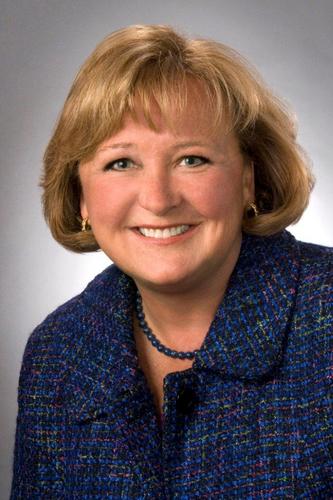
Public Transportation can be a ride out of poverty. So why are the very first miles of the proposed Red Line Bus Rapid Transit System being constructed along a route running through trendy Broad Ripple and the high property value neighborhoods of Arden, Forest Hills and Meridian Kessler?
Access to transit in impoverished areas offers the promise of economic and educational mobility. Expanded opportunities for better jobs, schooling, and services are made available for people in efficient and affordable ways through quality public transportation.
Initial construction of the Red Line Bus Rapid Transit route with a northern starting point at 66th and College exposes the Regional Mass Transit Plan’s misplaced priorities. First in line to buy tickets on the Red Line won’t be those hungering for a better life. They will be those already enjoying the good life that is sought by current IndyGo riders. Still finding themselves at the back of the line, on the back of the bus-will be those whose concerns about their environment relate more to reducing gun violence, than reducing carbon emissions.
The bus fares purchased on the first and northern most BRT route will be by riders living in the 46220 zip code area. There, median yearly household incomes hover at $62,000.00 and unemployment runs at 6.5%. Contrast those statistics with residents living in all but one adjacent zip code located to the south, east, and west of 46220. Unemployment in those areas runs from 13.3% to 26.7% and median incomes range from $26,000 to a high of $39,000.00.
Marion County Transit Groups from IndyGo, CIRTA and MPO assert that funding for Phase 1 of the transit plan, the Red Line, has been secured. A special ordinance introduced at Monday’s City County Council meeting authorizes a referendum seeking funding for subsequent phases of a 5-year public transportation plan through an income tax increase. With implementation of future phases dependent on the outcome of the referendum, the question must be raised. Why aren’t the first BRT routes being constructed in neighborhoods populated with particularly low income wage earners and high unemployment rates who are totally dependent upon public transit to access employment and services?
It appears that the goals of officials and civic leaders promoting the current Red Line BRT route have shifted by prioritizing service to the “haves” rather than the “have-nots”. Recently unearthed notes taken during my first meeting with IndyGo Executive Director Mike Terry in 2007 are titled with a quote from him, "Choice vs. Necessity". By Mike’s own statements, the Purple Line running across 38th Street and Washington Street’s Blue Line were to be designated highest need and highest priority in allocation of transit enhancement dollars. It was from Mike I learned that 70% of IndyGo riders are categorized as transit dependent households. The costs for car purchase, maintenance, and insurance is so high that home maintenance costs become secondary to car expenditures in a majority of low income households. For that reason, a lack of reliable public transportation is considered a contributing factor to urban blight. Need, or necessity is why the very first implementation of a major BRT line beginning at 66th and College is a questionable allocation of scarce transit funds.
IndyGo's first priority is to serve "the least of these" among us-those who have no other alternative means to travel to work other than public transportation. Instead, "Choice" appears to supersede “need” in the redesigned transit plans that emerged around 2012. In the city’s publicized attempts to attract its share of Millennials as a place to call home, Millennials must be catered to and provided transit choices. However, the Millennials Indianapolis hopes to attract to live and work here are being recruited for professional positions with salaries that will pay enough to support the purchase and maintenance costs of a car. Their marketable talents allow them to afford rent or purchase housing in high cost living areas such as Downtown, Broad Ripple and Meridian Kessler. With "SoBro" now reaching as far south as 46th and College, the majority of North College Red Line users daily tough choice will be car or BRT-while 70% of their fellow IndyGo riders might choose between groceries or bus fare.
The initial mass transit routes focusing on the Green, Purple and Blue lines were supported by countless studies and recommendations made by the major transit groups and blessed by the Indy Chamber. Many transit grant dollars paid for publications showing graphs, maps, and economic wonder potential to sell the public on the need for light rail and BRT on those particular routes. Now, different routes are being espoused as "the best" based on more money spent and more studies undertaken. Which of the recommendations should the public believe are the "best"? The preferred routes change, as does the preferred mode of transportation, changing from light rail to BRT? Or simple express bus service?
Answers from IndyGo asking why the shift to Choice over Need by constructing the city's first BRT line on N. College centered on”TOD”-transit oriented development. TOD has been touted as one of the primary goals and benefits that will result from the current recommended mass transit plan. The up side-there are great promises of return on investment to be had-for developers. For proprietors of multi-generation owned restaurant and retail establishments located on North College Avenue-they foresee vanished parking spots for customers driving cars as leading to their demise. There's also the possibility that bus stop placement will not be located a walkable distance to certain existing businesses. The upside to this-investors will be able to snatch up those 1 and 2 story properties for a song and convert them to the multi story retail/ housing density mix being counted on for the Red Line’s future ridership numbers. Does North College Avenue need the artificial stimulation to prompt economic development? Or- is it already occurring there “organically”, as some nearby residents insist it is?
The greater need and opportunity for “TOD” is along the socially and economically hurting Blue and Purple routes rather than along the northern Red Line corridor. Abundant vacant and inexpensive land is available all along E.38th and Washington Streets to fit high density, affordable rent apartment complexes. An uptick in available, modern housing will serve as a catalyst to attract more quality businesses. Consider how improved access to jobs and an uplifted quality of life in these neighborhoods might also lower crime rates-making our city safer for all.
Scarce city budget dollars too often are allocated towards spending that reflects choice vs. necessity. The Midtown TIF which benefitted Meridian Kessler, Broad Ripple and Butler Tarkington neighborhoods was approved quickly by a Council vote. The Avondale Meadows TIF-sought to attract a grocery store for an impoverished food desert community, languished for years before receiving approval. Upscale, downtown high rise condos and apartment developments receive speedy, unanimous votes of Council approval while many affordable housing projects fall by the wayside.
Mega millions in city tax dollars are sent along to billionaire sport team owners so that more luxury suites can be added to a stadium already paid for by taxpayers. Yet-our first responders who put their lives on the line for us on a daily basis, are cheated out of the 3% salary increases promised them in their contracts. Now, the citizens in greatest need of efficient public transportation are taking a back seat in the bus system so that higher income riders can be the first to access wi-fi equipped buses.
Indy Go’s slogan for years has been, "People you depend on, depend on IndyGo". Never has that been truer than now. Seventy percent of current IndyGo riders are depending on leaders in transit and the city to make their rides to improved jobs and lives more dependable. An enhanced, modern, comprehensive county wide transit plan should reflect old-fashioned transit principles placing need before choice.
Voters shouldn’t allow transit and city leaders to rationalize placing transit choice ahead of need. Before a referendum seeking increased taxes to pay for an enhanced mass transit appears on any ballot, let those who love this city, show they love their neighbors as themselves. Transforming our transportation system must first focus on transforming lives and neighborhoods so that our city, and all who are in it might have the opportunity to flourish.
Christine Scales
Indianapolis City County Councillor District 3
Referendum Language For Income Tax Increase For Mass Transit
Some readers have expressed concern about the wording of the referendum proposed for the November election which would allow Marion County's local income tax rate to be raised another quarter percent, or a little more than 14%. The referendum language was set out in the state law requiring the referendum procedure. Here's its wording:
The 13-mile leg of the Red Line would cost at least $96 million to build. IndyGo plans to tap TIF funds, the Department of Public Works budget and its own reserve fund to make up the $21 million difference. Without the income tax increase, building additional segments of the Red Line and paying for its estimated annual $6 million operating costs are problematic. The $6 million figure seems a bit too low.
The connectivity to Hamilton and Johnson Counties is highly speculative as well. Neither of those counties have any plans in the next few years to make funding available for the Red Line or to place a referendum on the ballot to increase their own income tax rates to pay for it. It's also my understanding that the Red Line will not have dedicated bus lanes outside Marion County so Carmel and Greenwood residents won't face the traffic disruptions that will be felt across the Marion County.
“Shall Marion County have the ability to impose a county economic development income tax rate, not to exceed a rate of 0.25%, to pay for improving or establishing public transportation service in the county through a public transportation project that will create a connected network of buses and rapid transit lines; increase service frequency; extend operational hours; and implement three new rapid transit lines?”Here's an important point to keep in mind regarding the financing of this Red Line. Indianapolis officials have already decided to tap federal money to begin work on the first phase of implementing the planned 37-mile bus rapid transit line known as the Red Line that would extend from Westfield south to Greenwood before awaiting approval of the income tax increase. IndyGo plans to use a $75 million grant included in President Barack Obama's budget to build a 13-mile leg of the Red Line from 66th Street in Broad Ripple to the University of Indianapolis on the south side.
The 13-mile leg of the Red Line would cost at least $96 million to build. IndyGo plans to tap TIF funds, the Department of Public Works budget and its own reserve fund to make up the $21 million difference. Without the income tax increase, building additional segments of the Red Line and paying for its estimated annual $6 million operating costs are problematic. The $6 million figure seems a bit too low.
The connectivity to Hamilton and Johnson Counties is highly speculative as well. Neither of those counties have any plans in the next few years to make funding available for the Red Line or to place a referendum on the ballot to increase their own income tax rates to pay for it. It's also my understanding that the Red Line will not have dedicated bus lanes outside Marion County so Carmel and Greenwood residents won't face the traffic disruptions that will be felt across the Marion County.
Tuesday, March 22, 2016
Albuquerque Business Owners Fighting Bus Rapid Transit Line
It looks like Albuquerque officials are ramming a bus rapid transit line it's calling ART down the throats of its city residents just because there's a pot of federal money available for the project like Indianapolis officials are doing to us. At least Albuquerque residents have some media that will allow a fair hearing on the pros and cons. Here in the Soviet Republic of Indianapolis, there is no room for discussion other than what is being pitched by the proponents, who all seem to have a vested financial outcome in seeing it built.
It also appears that affected business owners in Albuquerque are more clued in to how badly their businesses are going to be damaged along the route. Make no mistake about it. Probably half of the current businesses along the College Avenue corridor between 50th and Broad Ripple Avenue will go out of business following the completion of the line, if not before, which is exactly what the proponents want to see happen. As businesses fail, developers will sweep in and buy up their property on the cheap, level their building and construct cheap, high-density apartment buildings all along the corridor, ruining the tight-knit neighborhoods that currently exist there.
Read more about community opposition in Albuquerque to the bus rapid transit system by clicking here. Also, check out how business owners in San Jose, California complain that they are being put out of business just enduring the disruptions caused by the long, drawn-out construction process for installing a rapid bus transit line there by clicking here. People had better wake up here in Indianapolis. The bus is already pulling out of the station, and those who will be impacted most by it are still clueless what dramatic changes they are going to see for the worse.
Monday, March 21, 2016
Bipartisan Council Members Sponsoring Referendum Question To Hike Income Taxes For Mass Transit
A bipartisan group of Indianapolis City-County Councilors want a referendum placed on this November's ballot which would authorize yet another increase in the local income tax rate to finance an expanded mass transit system intended to connect the existing bus system operated with IndyGo to the suburban counties which spend nothing on mass transit. Suburban counties will benefit at our expense from a costly bus rapid transit system that would allow low-paid workers from the inner city that the suburban counties don't want living in their communities to travel to and from jobs across the county line into the neighboring counties.
This tax increase comes right on the heels of a 10% income tax hike that took effect on January 1, about which taxpayers were once again lied and told would be used for public safety. In reality, it's being used to finance more giveaways to the politicians' campaign contributors from the ever-increasing percentage of property tax revenues being siphoned away by the TIF slush funds.
Marion County property taxpayers are already financing IndyGo to the tune of more than $65 million a year and will get no relief from the higher income tax to support the boondoggle spending planned for a $1 billion bus rapid transit system to benefit yet more of the politicians' campaign contributors, most of whom ironically live in Carmel or other suburban communities where they avoid Indianapolis' higher taxes.
Proposal No. 145 would authorize a quarter-percent increase in the local income tax, increasing the current rate by more than 14% from 1.77% to 2.02%, pushing the tax rate to the highest income tax rate in Central Indiana and one of the highest in the state, and giving Indianapolis residents further reason to flee the county to escape higher taxes. Indianapolis' income tax rate would be double the current rate paid in wealthy counties like Boone and Hamilton.
Councilors sponsoring the proposal include: Lewis (D), Adamson (D), Fanning (R),Scales (R), Robinson (D), McQuillen (R), Coats (R), McHenry (R), Miller (R), Osili (D), Johnson (D), Mascari (D), Evans (D), Kreider (R), Pfisterer (R) and Ray (D). That's more than enough votes to pass the full council. It just goes to show that there is no reason to elect Republicans to the City-County Council because they are as eager to raise taxes and spend like drunken sailors as their Democratic counterparts.
UPDATE: Advance Indiana has been advised by Councilor Scales that she never authorized her name to be included as a sponsor of Proposal No. 145 and requested her name to be removed from it. Scales indicated that Councilor Coats' name was similarly added to the proposal without his permission. ''
The Star now has a story online, which is naturally pro-tax increase.
By the way, don't let any politician tell you that their support of this proposal is only to let voters decide. They want this tax increase, and they know the referendum will pass by hook or crook if it appears on the ballot. When both political parties agree that something should pass, there is no fair vote on our computerized voting system. The voting software will be rigged to ensure it passes, and there's no independent voice to stop that from happening when the two political parties are colluding to get something done and so much money is at stake for their political benefactors.
According to the Star, the suburban counties plan to sit back and watch what Marion County does for a few years before deciding on whether to put a referendum on the ballot to fund any part of the mass transit boondoggle. By that point, another 50,000 Marion County residents will have fled to the suburbs.
This tax increase comes right on the heels of a 10% income tax hike that took effect on January 1, about which taxpayers were once again lied and told would be used for public safety. In reality, it's being used to finance more giveaways to the politicians' campaign contributors from the ever-increasing percentage of property tax revenues being siphoned away by the TIF slush funds.
Marion County property taxpayers are already financing IndyGo to the tune of more than $65 million a year and will get no relief from the higher income tax to support the boondoggle spending planned for a $1 billion bus rapid transit system to benefit yet more of the politicians' campaign contributors, most of whom ironically live in Carmel or other suburban communities where they avoid Indianapolis' higher taxes.
Proposal No. 145 would authorize a quarter-percent increase in the local income tax, increasing the current rate by more than 14% from 1.77% to 2.02%, pushing the tax rate to the highest income tax rate in Central Indiana and one of the highest in the state, and giving Indianapolis residents further reason to flee the county to escape higher taxes. Indianapolis' income tax rate would be double the current rate paid in wealthy counties like Boone and Hamilton.
Councilors sponsoring the proposal include: Lewis (D), Adamson (D), Fanning (R),
UPDATE: Advance Indiana has been advised by Councilor Scales that she never authorized her name to be included as a sponsor of Proposal No. 145 and requested her name to be removed from it. Scales indicated that Councilor Coats' name was similarly added to the proposal without his permission. ''
The Star now has a story online, which is naturally pro-tax increase.
“I think it is absolutely the right thing to do to allow the voters to have their say in this,” Council President Maggie Lewis said. Sixteen of the council’s 25 members, including Democrats and Republicans, signed on as co-sponsors of the proposal. Two other council members, Jack Sandlin and Jared Evans, said they would have signed on as co-sponsors if asked.
Councilman Jeff Miller said the many co-sponsors were intended to show strong support for putting the measure on the ballot. “We don’t want this to be something that limps over the finish line,” Miller said.
Although Miller supports the bus rapid transit plan, he said backing the referendum only signals support for letting voters decide what they will pay for. “Then it comes down to its supporters selling it. But there should be no reason not to put this on the ballot,” Miller said.I was hoping Jack Sandlin's name not being on the proposal was a smart political decision, but it appears it was left off by omission because he, too, supports the tax increase. The folks who want this passed all support his Senate primary opponent, Jefferson Shreve, the Democrat from Bloomington masquerading as a Republican.
By the way, don't let any politician tell you that their support of this proposal is only to let voters decide. They want this tax increase, and they know the referendum will pass by hook or crook if it appears on the ballot. When both political parties agree that something should pass, there is no fair vote on our computerized voting system. The voting software will be rigged to ensure it passes, and there's no independent voice to stop that from happening when the two political parties are colluding to get something done and so much money is at stake for their political benefactors.
According to the Star, the suburban counties plan to sit back and watch what Marion County does for a few years before deciding on whether to put a referendum on the ballot to fund any part of the mass transit boondoggle. By that point, another 50,000 Marion County residents will have fled to the suburbs.
Monday, February 29, 2016
Gannett Takes On Red Line Opponents
It's a foregone conclusion that the Gannett-owned Indianapolis Star will support anything identified with the New World Order, which includes propagating the global warming myth and replacing a motorist-driven commuting society with government-run mass transit. The Star has made up its mind that an electric rapid bus system must be built in Indianapolis, and it must begin with a north-south Red Line, better known as the Palladium to the Stadium route.
The Indiana Policy Review recently published the results of a study questioning whether the costly Red Line would improve mobility and provide more sustainable transportation. To replicate the benefits of a much more costly light rail system, the Red Line will feature dedicated bus lanes that will allow the buses to move faster with fewer stops. IndyGo estimates the buses will run a little more than 18 mph on average, while the average speed of cars is 34 mph. The study suggests that the dedicated bus lanes will sit empty 90% of the time and create traffic congestion elsewhere along the line, particularly the narrow College Avenue corridor planned for the route.
The Cato Institute study noted that IndyGo's buses carry an average of just 5.7 passengers over the course of a day (i.e., passenger miles divided by vehicle revenue miles). The Red Line is expected to carry on average about 15 passenger (two-thirds of whom would already be riding a bus under the existing system). The Red Line 60-foot buses would hold up to 120 passengers. The study questions the clean energy advantage since the electricity fueling the buses is generally coming from fossil-fueled electric power plants, resulting in more, not less green house emissions. Of course, if Obama gets his way, there will be no more power plants fueled by the mislabeled fossil fuels. The study also questions whether Indianapolis has the density and number of jobs in the inner core of the city required to sustain ridership of the bus rapid transit system.
A story in today's Star by John Tuohy, who is extremely hostile to anyone who questions the proposed mass transit proposal, attempts to discredit the Cato Institute study. Tuohy refers to the Cato Institute as "a libertarian think tank." He must think "libertarian" is a dirtier word because its critics typically just call it "a right wing pressure group." Tuohy cites other experts, who question the 74,000 figure used by the Cato Institute as the number of persons working downtown, who claim the study defined downtown too narrowly. Proponents contend the figure is closer to 134,000 and an additional 137,000 jobs exist nearby.
The proponents of the Red Line contend ridership will expand considerably above current ridership levels because of dependability and speed. They also contend people and businesses will relocate to be closer to the bus lines. The author of the Cato Institute is an "anti-planner" who has previously testified against mass transit proposals before the General Assembly on behalf of Americans for Prosperity, a Super PAC funded by the evil Koch brothers Tuohy informs us. Tuohy throws in some bogus study of a bus rapid transit system that credits a similar system in Cleveland as creating $6 billion in economic development activity. Cleveland is still a dump, and the economic activity credited to the rapid bus transit system had nothing to do with it, but that study serves the purposes here so The Star will go with it.
Several people have noted the biggest demand for public transit services is crosstown traffic, not north-south traffic. That's the part of the debate so far that's missing. A bus rapid transit system would help connect far more lower-income workers to their employment by building the first line along Washington Street to accommodate those who would benefit the most. Like I've said before, the Red Line isn't about connecting workers to their jobs. It's all about providing a party bus that Carmelites can occasionally use to come downtown to a Colts or Pacers game and drink as much as they want while there without consequences. The College Avenue instead of the better Keystone Avenue route is necessary to provide an additional party stop in Broad Ripple Village. These so-called planners are so transparent.
Subscribe to:
Posts (Atom)